
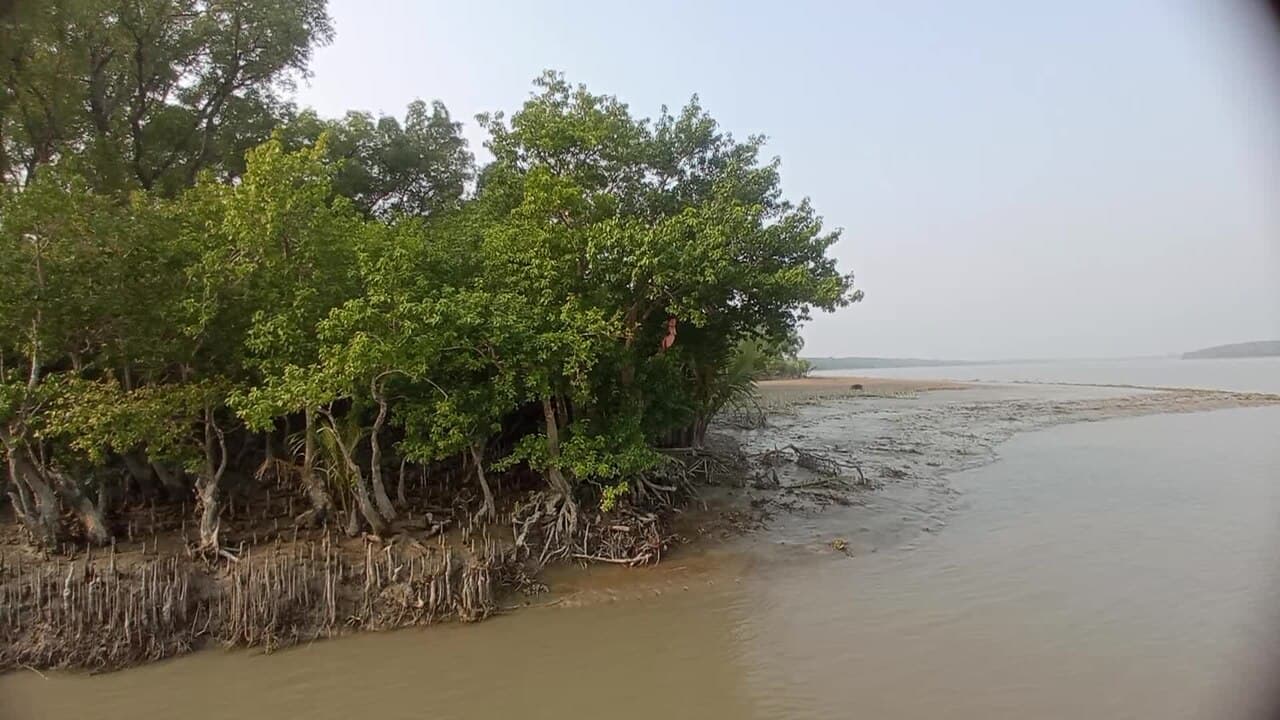
Remote mangrove coast near Sundarbans
Kochikhali
Kochikhali is a remote point in the Bangladesh Sundarbans approached by boat through tidal channels, valued for mangrove scenery, coastal habitat and the sense of distance from settled land.
Kochikhali — tidal channels and wildlife habitat
Know the place
A closer look at Kochikhali
Kochikhali is a remote point in the Bangladesh Sundarbans approached by boat through tidal channels, valued for mangrove scenery, coastal habitat and the sense of distance from settled land.
- Setting
- Remote mangrove coast
- Known for
- Tidal channels and wildlife habitat
- Visit character
- Expedition-style forest stop
01
Why Kochikhali matters
The area forms part of the protected Sundarbans ecosystem, where freshwater and saltwater influences create habitat for diverse plants and animals.
02
What to notice
The journey is part of the experience: narrow channels open into broader water while mudbanks, roots and forest canopy shift with the tide.
Seen in context, Kochikhali is not simply about tidal channels and wildlife habitat. Its remote mangrove coast character becomes clearer when visitors slow down, compare details across the site and leave room for the everyday activity and changing conditions that continue around it.
03
Planning the visit
Kochikhali is never a casual independent excursion. Licensed operators, forest permissions, tide, weather and ranger guidance determine whether a visit proceeds.
04
How to plan a focused visit
Use Kochikhali as one stop in a geographically focused the Sundarbans day. The remote mangrove coast setting and emphasis on tidal channels and wildlife habitat are easier to understand when you compare visible details instead of rushing between photo points. Read the cited background before arrival, then use on-site signs and current staff guidance to check anything that may have changed.
For this expedition-style forest stop experience, allow time to notice how the place functions today as well as its historic or landscape context. The cooler dry season is normally most comfortable, while tide controls the day’s exact sequence. Keep the wider route flexible around traffic, weather, worship, security screening or access rules that apply on the day. Use the practical notes below as a pre-departure checklist. If you want transport, pacing and nearby stops arranged as one coherent itinerary, continue to the linked parent tour and share your access needs, interests and preferred walking time before booking.
Plan your visit
Arrive with the right context
- 01
The cooler dry season is normally most comfortable, while tide controls the day’s exact sequence.
- 02
Prepare for long boat travel, basic facilities and potentially wet or uneven landings.
- 03
Follow ranger instructions, remain with the group and never approach or call wildlife.
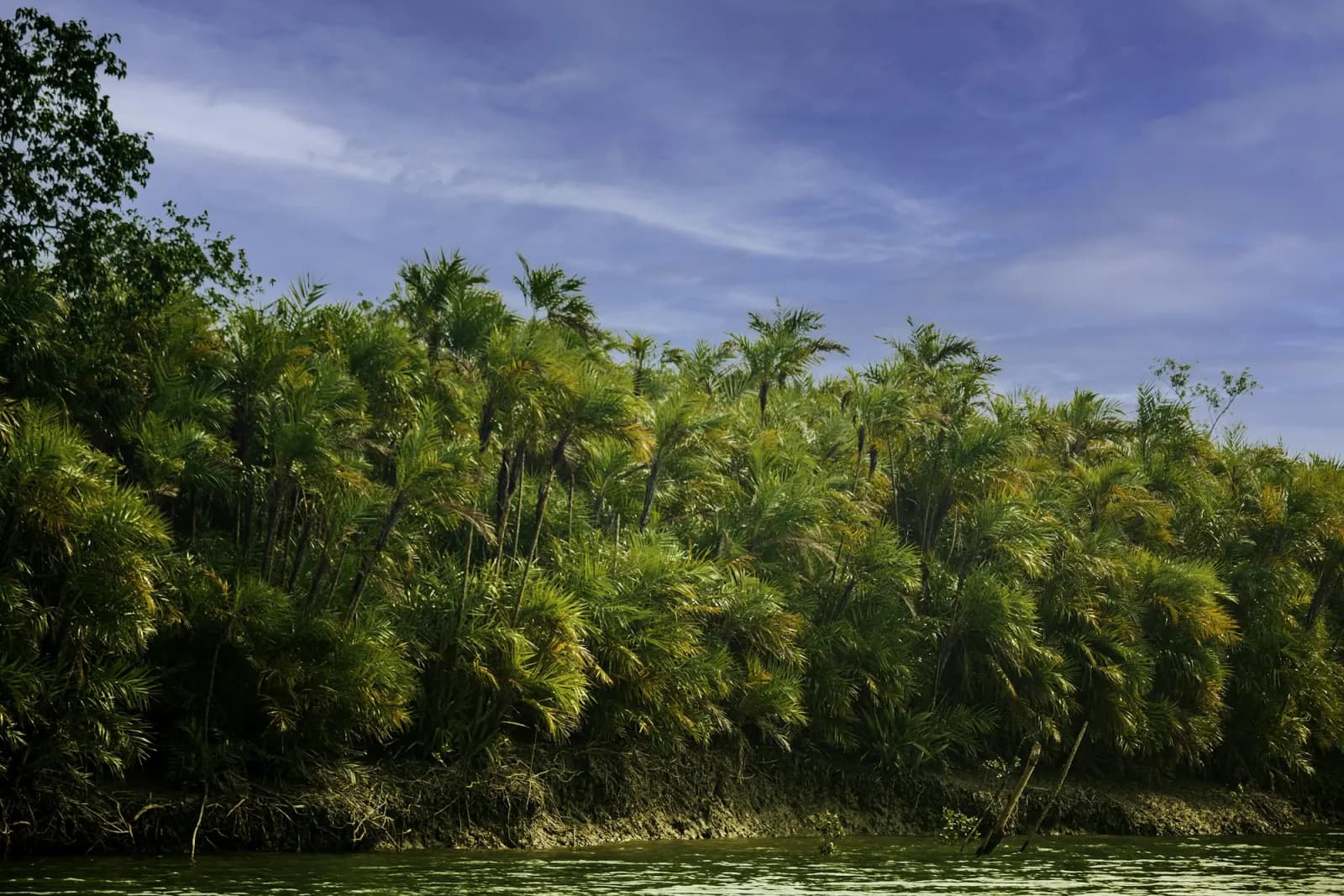
In the landscape
Look slowly

Continue the journey
Visit on the Sundarbans Tour
This place is one part of a broader private journey. Final timing and access are confirmed around season, local conditions, and your preferred pace.
Travel notes
Frequently asked questions
01How does Kochikhali fit into its parent city tour?
The stop is connected to its parent itinerary and can be paced around local conditions, permissions and your interests. A private route also leaves room for nearby landmarks, traffic, breaks and the pace you prefer. Confirm current access before departure so the day remains realistic.
02When is a good time to visit Kochikhali?
The cooler dry season is normally most comfortable, while tide controls the day’s exact sequence. Check current opening, access, weather and local conditions before setting out, because they can change. A local guide can fit the stop into a practical Sundarbans route.