
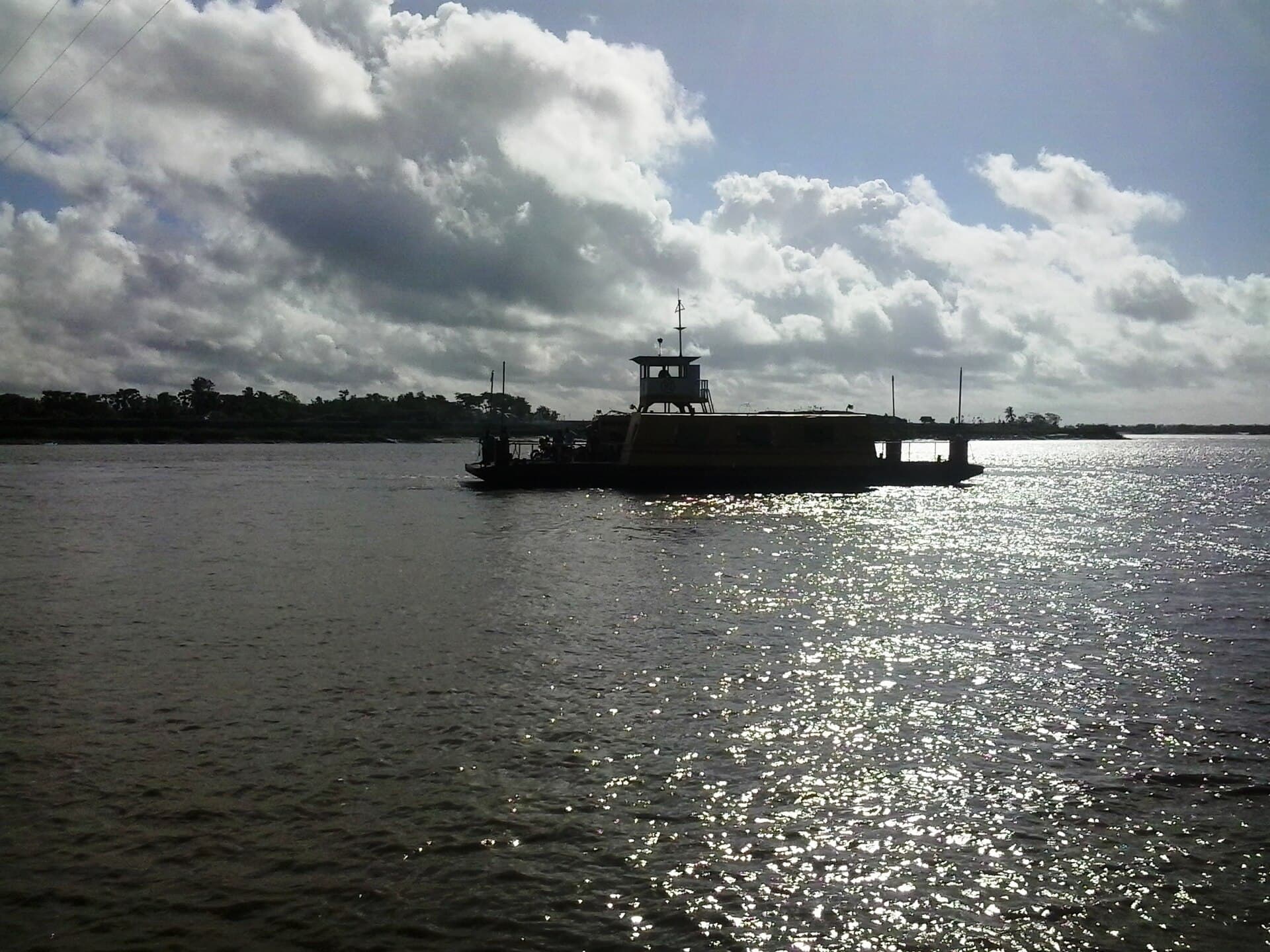
Working city river in Khulna
Rupsha Riverfront
The Rupsha Riverfront reveals Khulna as a working river city, where ferries, small craft, bridges and commercial movement connect the urban centre to waterways leading south.
Rupsha Riverfront — boats, ferries and khulna’s river identity
Know the place
A closer look at Rupsha Riverfront
The Rupsha Riverfront reveals Khulna as a working river city, where ferries, small craft, bridges and commercial movement connect the urban centre to waterways leading south.
- Setting
- Working city river
- Known for
- Boats, ferries and Khulna’s river identity
- Visit character
- Everyday waterfront stop
01
Why Rupsha Riverfront matters
The Rupsha flows beside Khulna and connects onward toward the Pasur system, giving the city a practical relationship with coastal and Sundarbans-bound routes.
02
What to notice
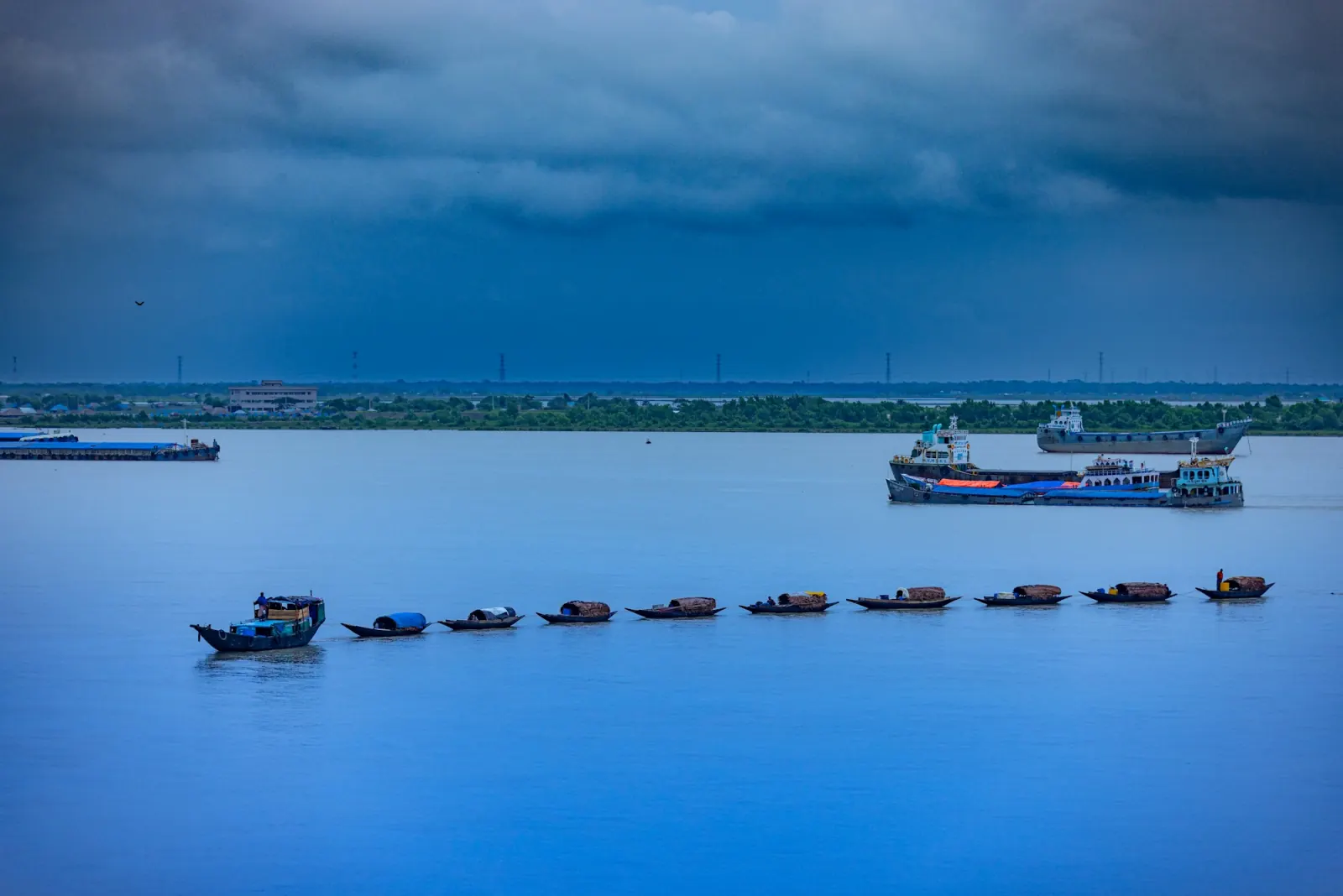
Watch how passenger movement, cargo, fishing craft and broad river views overlap. The river is infrastructure as much as landscape.
Seen in context, Rupsha Riverfront is not simply about boats, ferries and khulna’s river identity. Its working city river character becomes clearer when visitors slow down, compare details across the site and leave room for the everyday activity and changing conditions that continue around it.
03
Planning the visit
A guide can select a public viewpoint or ferry context suited to current conditions and connect it with Khulna’s markets and city history.
04
How to plan a focused visit
Use Rupsha Riverfront as one stop in a geographically focused Khulna day. The working city river setting and emphasis on boats, ferries and khulna’s river identity are easier to understand when you compare visible details instead of rushing between photo points. Read the cited background before arrival, then use on-site signs and current staff guidance to check anything that may have changed.
For this everyday waterfront stop experience, allow time to notice how the place functions today as well as its historic or landscape context. Early morning and late afternoon offer cooler temperatures and active river movement. Keep the wider route flexible around traffic, weather, worship, security screening or access rules that apply on the day. Use the practical notes below as a pre-departure checklist. If you want transport, pacing and nearby stops arranged as one coherent itinerary, continue to the linked parent tour and share your access needs, interests and preferred walking time before booking.
Plan your visit
Arrive with the right context
- 01
Early morning and late afternoon offer cooler temperatures and active river movement.
- 02
Approaches can be busy and uneven; use official ferry or public access points.
- 03
Follow crew instructions, avoid restricted jetties and ask before photographing workers.
In the landscape
Look slowly
Continue the journey
Visit on the Khulna River City Tour
This place is one part of a broader private journey. Final timing and access are confirmed around season, local conditions, and your preferred pace.
Travel notes
Frequently asked questions
01How does Rupsha Riverfront fit into its parent city tour?
The stop is connected to its parent itinerary and can be paced around local conditions, opening rules and your interests. A private route also leaves room for nearby landmarks, traffic, breaks and the pace you prefer. Confirm current access before departure so the day remains realistic.
02When is a good time to visit Rupsha Riverfront?
Early morning and late afternoon offer cooler temperatures and active river movement. Check current opening, access, weather and local conditions before setting out, because they can change. A local guide can fit the stop into a practical Khulna route.